
Where to Start Sorting Photos: Printed or Digital?
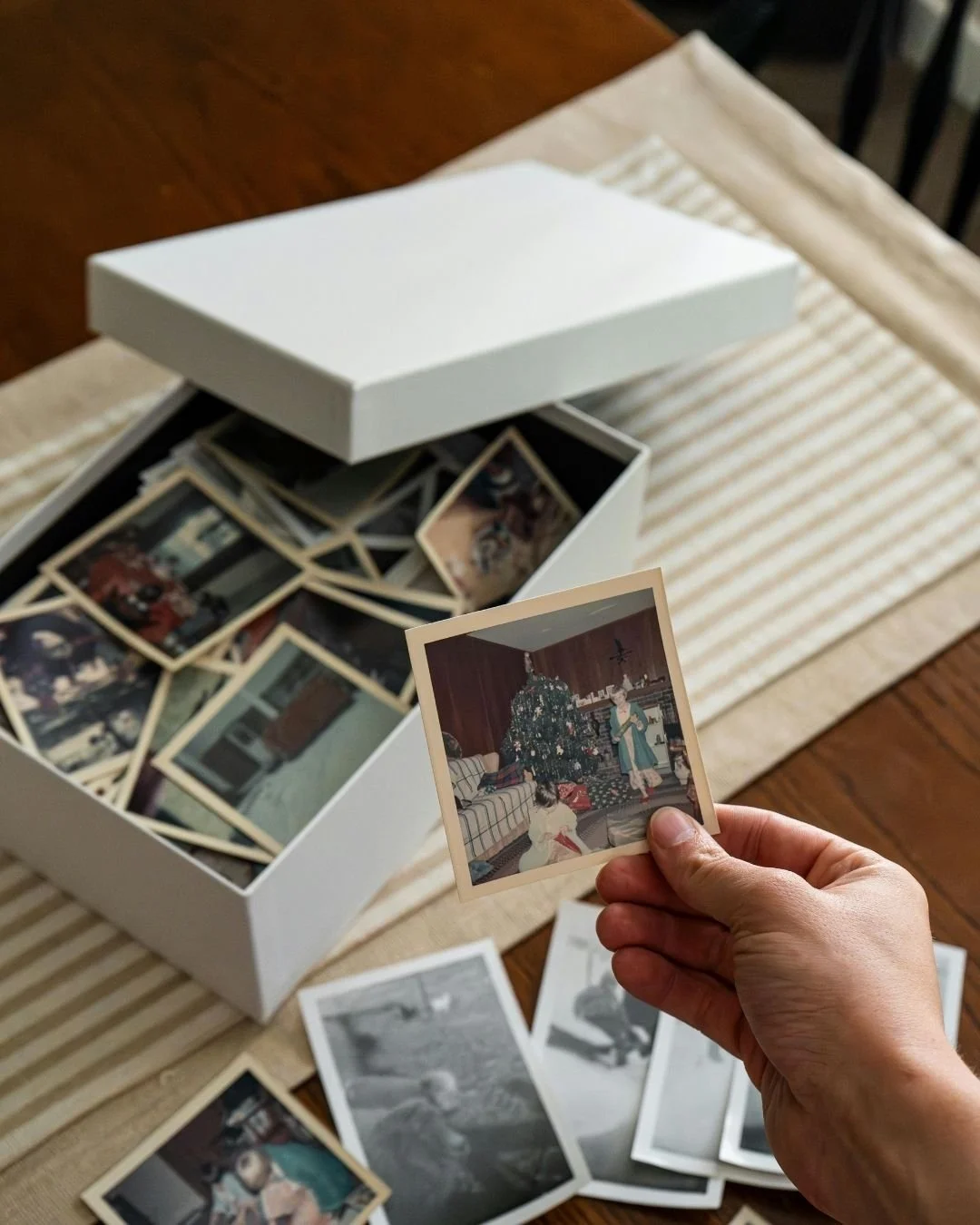
If you’ve ever sat there wondering whether you should start with your printed photos or your digital ones, you’re not alone. This single decision is often the reason people stall, give up, or decide that photo organising is harder than it ever needed to be. And the frustrating part is that most people don’t realise they’ve made the wrong choice until they’re already stuck, overwhelmed, and questioning why they even started. If you’ve got both printed photos and digital photos, it’s very easy to feel paralysed before you begin. Printed photos pull at you emotionally. Shoeboxes and albums carry guilt, especially when they’ve been sitting there untouched for years. They take up physical space, they’re always in your line of sight, and they quietly demand attention. Digital photos create a completely different kind of pressure. They feel endless rather than emotional. Thousands of images spread across phones, computers, cloud accounts, and hard drives can feel overwhelming. But because you can’t physically see them, they’re easier to ignore. Even so, they’re often costing you money in storage and subscriptions, and the problem keeps growing in the background. I’m going to help you decide where to start so you don’t waste time, energy, or motivation. And make sure you stay to the end, because I’ll share a simple order to follow that takes the guesswork out of the whole process.
The Common Mistakes
Most people start with printed photos because they feel more urgent and emotionally important. They’re right there in front of you, taking up space, and it feels easier to tackle the thing you can physically see rather than something hidden away on a device. There’s also a common belief that printed photos are more at risk because there’s only one copy. And yes, that is technically true. But to lose your printed photos usually takes a major disaster — something like a fire or a flood — and thankfully, those events are relatively rare. Digital photos, on the other hand, are far more vulnerable day to day. Losing them can be as simple as dropping your phone, spilling coffee on a laptop, a hard drive failing, or something going wrong during a sync or software update. The risk feels smaller because it’s invisible, but in reality it’s much higher. So people end up choosing the most visible problem rather than the one that’s genuinely most at risk.

Why Digital Photos Should Come First
If you haven’t guessed already, in most situations, digital photos are where you should start. The first reason is simple: digital photos are the most at risk. Losing them doesn’t require a major disaster. It can be as simple as a dropped phone, a failed hard drive, a coffee spill on a laptop, or something going wrong during a sync or software update. Printed photos usually survive everyday life; digital photos often don’t. The second reason is decision-making. Digital photos are usually more recent, which means you know who the people are, where the photo was taken, and roughly when it happened. Digital photos also fit far more easily into real life. If your goal is to sort your phone or get control of your digital library, you can do this work on the go. Short sessions count. Five minutes here and ten minutes there adds up, and that momentum is incredibly powerful. And finally, digital photos give you tools that printed photos simply don’t. There are some excellent apps and programs that can help with the heavy lifting, from finding duplicates to filing photos in batches. That means you’re not relying purely on willpower — the technology can do a lot of the work for you.
When Printed Photos Should Come First
Once your photos are gathered and lightly structured, it's time for an initial clean-up. This isn't a harsh cull. Think of it as clearing away the visual clutter so the real memories stand out. Start by removing true duplicates - the exact same image saved five times because it was shared through WhatsApp or you got duplicates prints of. Then deal with the obviously unusable images: photos of the inside of your pocket, five identical shots of the floor, accidental bursts where nothing is in focus, screenshots that don't hold any long-term value and ones with those little stickers on that say they are overexposed. You're not aiming for minimalism; you're just removing the noise that makes organising feel overwhelming. This first pass makes the upcoming steps feel lighter. The moment you reduce the chaos, you can finally see your real memories again.
The Simple Order to Follow
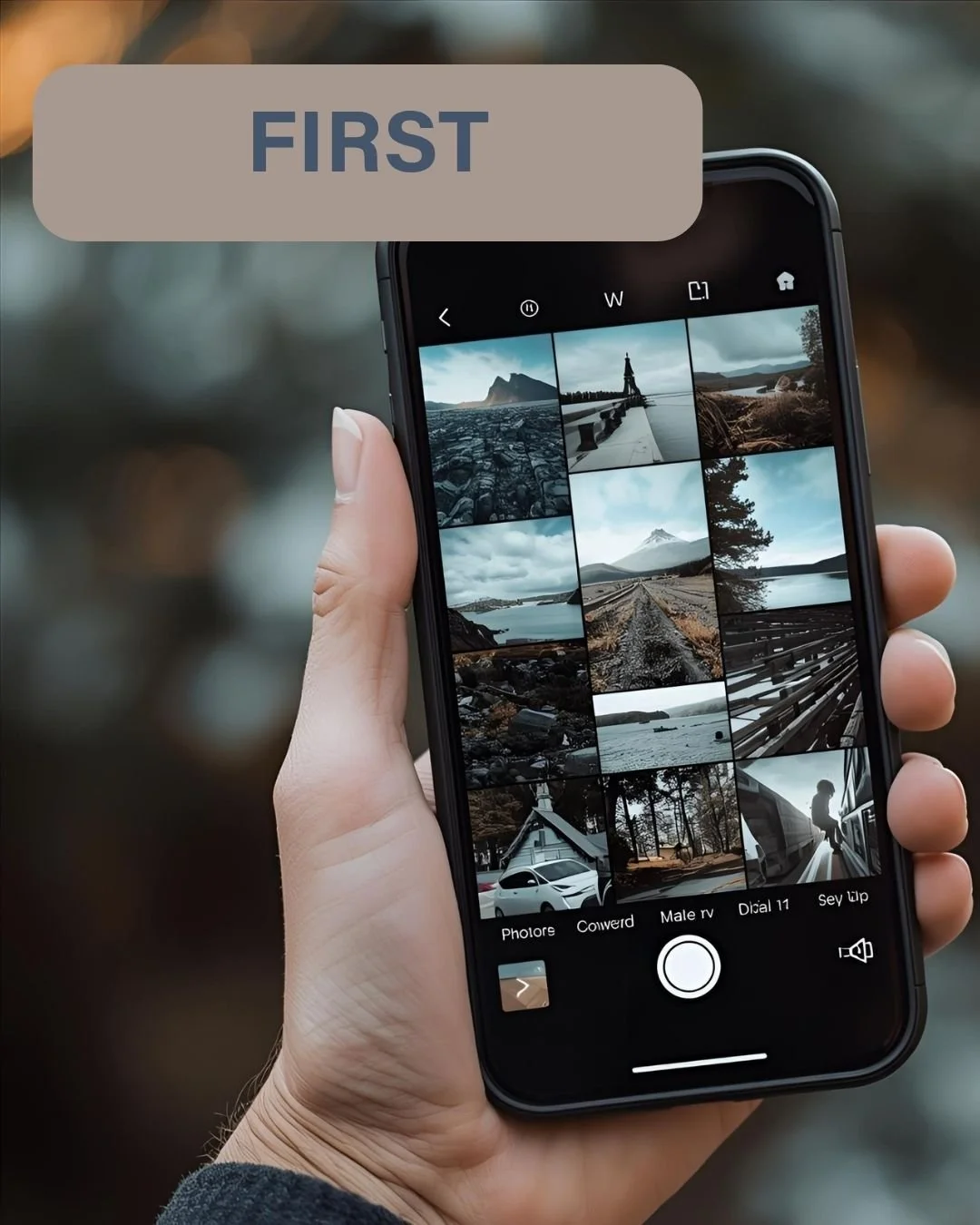
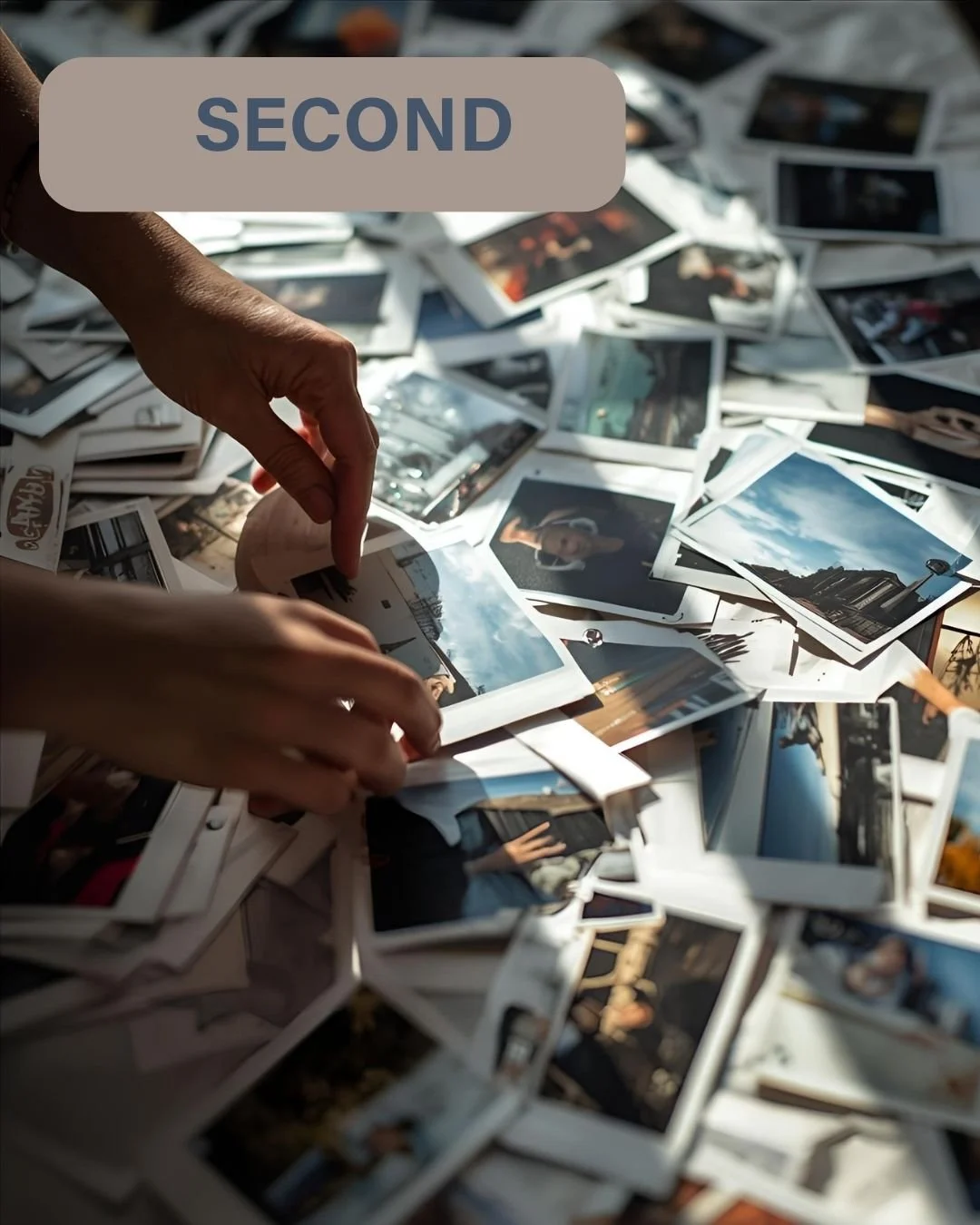
Start with your digital photos first. Focus on getting your phone and your main photo library under control before worrying about anything physical. Begin with the current year. These photos are the easiest to recognise, the quickest to decide on, and they give you fast wins that build confidence. Once that feels manageable, work back into the recent past. You’re still close enough to the memories that decisions stay relatively easy, but you’re gradually reducing the overall volume. Only then do you move on to your printed photo archive. By this point, you already have a structure, you trust your judgement, and printed photos feel far less overwhelming than they did at the start. This order keeps momentum high and stops you getting stuck at the most emotional, time-consuming stage before you’ve built confidence.
So Where to Start Sorting Photos Printed or Digital…
Choosing digital photos first doesn’t mean you’re avoiding your printed photos. You’re not ignoring them or putting them off forever. You’re simply sequencing the work in a way that makes every stage easier and far less overwhelming. Once your digital photos are under control, printed photos become much easier to deal with. And it’s worth remembering that digital photos are actually the most at risk if they’re left unmanaged.
What Next?
Are you still struggling and don't know how to get started with photo organising? I have put together a simple straightforward quick start guide to organising your photos which you can find here.
Take it to the next level with Photo Mess to Success®
If you’re reading to this and thinking, this all makes sense, but I still don’t know how to actually start, that’s exactly what I help with inside my Photo Mess to Success courses. They walk you step by step through sorting your digital photos first, building a structure that works for you, and then you can move on to printed photos when the time is right — without feeling overwhelmed or stuck. If you want support, clear guidance, and a plan you can follow at your own pace, you can find all the details at photomesstosuccess.co.uk.